



Quick Summary
Glimsera Score: 8/10 · Confidence: Medium
Best for: Anyone with dry, dehydrated or barrier-compromised skin who wants gentle, layered hydration over harsh actives.
Not ideal for: Minimalists who prefer a one-and-done routine, or those expecting clinical, injectable-level results from topicals.
Key takeaways
- Korean skincare prioritises repairing and strengthening the skin barrier rather than stripping or over-exfoliating it.
- Hypochlorous acid is a gentle antibacterial, anti-inflammatory mist that suits most skin types and doubles as a device sanitiser.
- Lasting hydration comes from layering lightweight textures — milky toner, light moisturiser, SPF — not one heavy cream.
- PDRN, a salmon-DNA-derived ingredient now common in at-home products, is touted to support repair, hydration and collagen over time.
- Volufiline, often from asparagus root, is a buzzy plant-derived option for subtly plumping areas prone to hollowing.
From hypochlorous acid to PDRN and volufiline, here's how K-beauty's barrier-first philosophy actually translates into a routine that hydrates and glows.
4 min read · Updated Jun 25, 2026 · Confidence: Medium · 1 verified source
In this article
Korean skincare’s enduring appeal comes down to one principle: protect and repair the skin barrier before anything else. Where many Western routines have leaned on exfoliating and resurfacing, K-beauty aims to strengthen, hydrate and soothe — a philosophy that feels especially relevant when warm weather, air conditioning and long days outdoors leave skin dry and dehydrated.
At a recent Medicube masterclass led by skincare expert Dr. Kemi Fabusiwa, five practical lessons stood out. None require a 12-step regimen — they’re about choosing the right ingredients and layering them smartly.
1. Hypochlorous acid belongs in almost everyone’s routine
Once an ingredient known mainly to dermatologists and surgeons, hypochlorous acid has become a mainstream staple via brands like Tower 28, e.l.f. and Bubble. It’s an antibacterial, anti-inflammatory molecule that reduces surface bacteria — helping prevent breakouts while calming redness and irritation. People with acne-prone skin and eczema often find it soothing, as do those treating bug bites, cuts and grazes.
Dr. Fabusiwa recommends a spritz after cleansing and before moisturiser, throughout the day on bare skin, and post-workout to stop bacteria mixing with sweat and triggering body breakouts on the back and chest.
2. How to sheet mask like a pro
Sheet masks are an indulgence — even better stored in the fridge on hot days — but much of the essence stays in the mask itself and ends up in the bin. If you want to get more from masking and push hydration deeper, a microcurrent or facial massage device used over the mask can help boost absorption.
Medicube’s AGE-R Booster Pro X2, for example, now includes a Mask mode designed to be used over sheet masks or paired with serums and moisturisers. This step isn’t necessary, but it’s effective; in reality any facial massage tool helps, though few offer as many modes — microcurrent, electric muscle stimulation, LED and sonic vibration — in one device.
3. Hydration is about lightweight layers, not heavy cream
When skin is dry, the instinct is to slather on the richest moisturiser available. But lasting hydration rarely works that way. The smarter approach is to layer lighter products rather than rely on one thick, potentially pore-clogging cream.
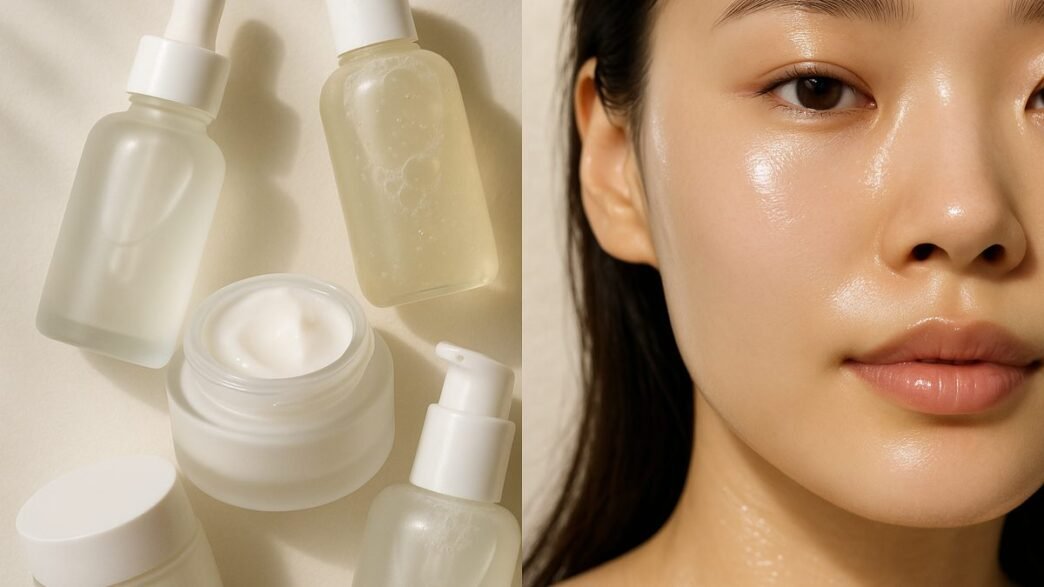
Post-cleanse, reach for a milky essence or toner, then a lightweight moisturiser, then (in the morning) SPF. Milky textures sit between an essence and a serum, so you can skip the serum step entirely if you want.
| Milky toner | Key ingredients | Best for |
|---|---|---|
| PDRN niacinamide milky toner | PDRN, ceramides, peptides, niacinamide | Barrier support with a slightly richer feel |
| Rice-based milky toner | Niacinamide, ceramides | Brightening plus hydration |
| Ferment milky toner (budget) | Saccharomyces ferment | Gentle exfoliation while hydrating |
Look for ceramides, which act like glue between skin cells to keep skin soft, plus skin-strengthening peptides and PDRN for added barrier support.
4. Why PDRN deserves your attention
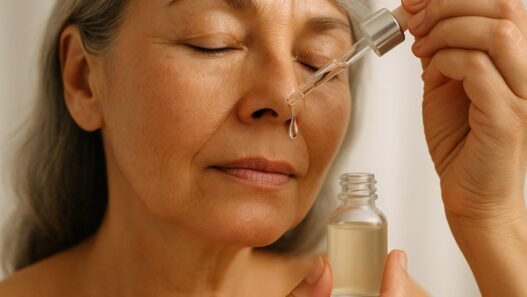
“Polydeoxyribonucleotide — aka PDRN — is an ingredient we’re seeing in clinic treatments,” says Dr. Fabusiwa. “So it’s great that we’re now seeing it enter at-home products.” Commonly derived from salmon DNA, PDRN closely resembles human DNA; when applied topically and consistently, it’s thought to support skin repair, improve hydration and may help encourage collagen production over time.
It’s particularly useful under the eyes, where delicate skin is prone to fine lines from dryness. K-beauty brands like Anua and Dr. Reju-All were early adopters, and Western names such as The Inkey List and U Beauty have since followed. Capsule creams — rich cream capsules suspended in a hydrating gel base — are especially popular among Korean skincare fans right now.
5. If PDRN isn’t for you, get to know volufiline
Volufiline is another K-beauty favourite, often searched alongside filler alternatives. The plant-derived extract, frequently sourced from asparagus root, is touted as a non-surgical way to subtly improve the look of facial volume in areas prone to hollowing, like the cheeks and under-eyes.
The Ordinary’s volufiline facial oil has gone viral for claims to plump, hydrate and smooth, while balm-stick formats pairing volufiline with hyaluronic acid, caffeine and vitamin E are gaining traction on TikTok. These sticks work well on dry lips and as a hydrating base under concealer around the under-eye area.
Why this matters
The throughline across all five lessons is restraint: soothe before you strip, layer light instead of heavy, and let barrier-supporting ingredients do the slow work. As PDRN and volufiline migrate from Korean labs into mainstream Western lines, expect more accessible, affordable versions — and more hype to cut through. The fundamentals, though, stay the same.
Step-by-step routine
- Cleanse
Start with a gentle cleanser that won't strip the barrier — the foundation of any K-beauty routine. - Mist with hypochlorous acid
Spritz a hypochlorous acid spray on bare, clean skin to calm bacteria and reduce redness before you layer anything else. - Layer a milky toner or essence
Press a hydrating milky toner (look for ceramides, niacinamide or PDRN) into skin with your hands. Its texture sits between essence and serum, so you can skip a separate serum if you like. - Seal with a lightweight moisturiser
Follow with a light moisturiser rather than one heavy, occlusive cream. Capsule creams with PDRN are a popular K-beauty pick here. - Finish with SPF (morning)
In the daytime, lock everything in with sunscreen — non-negotiable for protecting the barrier you just nourished.
Product types worth considering
Glimsera may earn a commission from links in this section, at no extra cost to you.
- Hypochlorous acid facial spray — A gentle, antibacterial, anti-inflammatory mist that calms redness and breakouts, suits sensitive and acne-prone skin, and can sanitise skincare devices.
- PDRN milky toner — A lightweight hydrating toner with PDRN, ceramides and peptides supports the barrier and delivers the layered hydration K-beauty is built on.
- PDRN capsule cream — Capsule creams suspend rich moisture in a gel base for a dewy finish and are currently a favourite among Korean skincare enthusiasts.
- Volufiline balm or oil — A plant-derived alternative for those who want to subtly plump dry lips, eyelids and areas prone to hollowing without injectables.
The Glimsera Take
K-beauty's barrier-first thinking has quietly reshaped how the whole industry approaches hydration, and ingredients like PDRN and volufiline are now spilling into Western brands. The advice here — layer light, soothe before you strip — is genuinely sound for most skin. Just temper expectations: topical PDRN and volufiline support skin, but they aren't substitutes for clinical treatments or filler.
Verified Sources
What we checked: Cross-referenced 1 source; confidence rated Medium. Glimsera synthesises multiple sources and does not test products first-hand; product claims reflect the cited reporting.
Last updated June 25, 2026
Written by the Glimsera Team, your go-to source for all things beauty and hair care. Our passionate experts combine years of industry experience with a love for enhancing natural beauty. We’re dedicated to providing you with the latest tips, trends, and product recommendations to help you look and feel your best. Join us on this journey to discover effective hair care routines, beauty secrets, and empowering insights tailored for every individual.