




Quick Summary
Glimsera Score: 8/10 · Confidence: Medium
Best for: Anyone building a year-round SPF habit who wants formulas that feel like skincare or makeup, not a chore.
Not ideal for: Shoppers wanting one single 'best' product — this is a category guide spanning different finishes and needs.
Key takeaways
- Modern face SPFs increasingly double as skincare, blending broad-spectrum filters with ectoin, ceramides, niacinamide and peptides.
- Chemical filters (avobenzone, homosalate, octisalate) tend to go invisible on all skin tones; mineral formulas now lean on tints to dodge a white cast.
- SPF is migrating into makeup — primers, foundations, setting sprays, blushes and lip balms — but editors stress these layer over, not replace, a dedicated sunscreen.
- Body SPF has gotten genuinely pleasant: milky sprays, whipped mousses and UV-reactive packaging make daily reapplication easier.
- The Skin Cancer Foundation recommends broad-spectrum SPF 30+ plus protective clothing to meaningfully lower skin cancer risk.
From milky Korean serums to SPF blushes and whip-textured body mists, here's how the year's standout sunscreens stack up — and how to pick the right finish for your skin.
4 min read · Updated Jun 23, 2026 · Confidence: Medium · 1 verified source
In this article
Sunscreen used to be the step everyone skipped. In 2026, it’s the step beauty editors look forward to. Refinery29’s SPF-obsessed team — which won the Skin Cancer Foundation’s 2024 Media Impact Award for its sun-safety advocacy — has named its standout formulas of the year, and the throughline is clear: the best sunscreens now feel like skincare or makeup, not a chore.
The stakes haven’t changed, though. The Skin Cancer Foundation estimates roughly 234,680 new melanoma cases will be diagnosed in the US this year, and notes that broad-spectrum SPF 30+ — paired with hats and UV-blocking sunglasses — meaningfully lowers risk. What’s improved is the experience: the modern crop disappears into skin, skips the white cast, and slots into the rest of your routine.
Ingredient highlights: SPF that does double duty
The biggest shift editors flag is hybrid formulation. Beyond UV filters, 2026’s face sunscreens lean on skincare actives:
- Ectoin — a barrier-supporting humectant appearing in everything from Tatcha’s milky SPF to Sofie Pavitt Face Screentime and Supergoop! Superscreen.
- Niacinamide — to help balance oil and calm the skin.
- Ceramides, squalane and peptides — for hydration and a plumper look over time.
- Vitamin C and antioxidants — for extra environmental defence, as in INNBEAUTY PROJECT’s mineral glow.
On the filter side, editors note that chemical filters such as avobenzone, homosalate, octisalate and octocrylene tend to apply invisibly across skin tones, while zinc oxide and titanium dioxide mineral formulas now rely on tints to avoid an ashy cast.
Best for the face
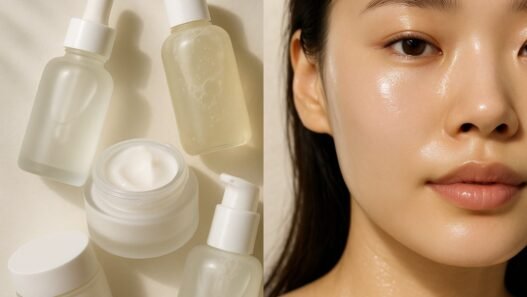
This is where the innovation is most obvious. Editors single out lightweight, serum-like textures: Tatcha The Milky Sunscreen SPF 50+ and La Roche-Posay’s new UVAir SPF 50 Serum both read more like a treatment than a sunblock, while Korean picks such as belif Dew Guard, House of Dohwa Rice Bran and Haruharu Wonder Black Rice deliver that glass-skin glow. For accessible drugstore options, Neutrogena Ultra Sheer SPF 40 and Dr. Idriss Major Fade Disco Block SPF 50 earn praise for vanishing under makeup with no sting or grease.
Best SPF makeup
SPF is now baked into nearly every makeup category — but editors are emphatic that these are a bonus layer, not your only protection.
Standouts include Merit The Uniform tinted SPF 50, Tower 28 SunnyDays SPF 30 (favoured by readers with acne- and eczema-prone skin), Ciele’s SPF blush and primer, Hourglass and Dior glow foundations, and lip balms from Naturium and Caliray. ONE/SIZE’s On ‘Til Dawn now comes in an SPF 28 setting-spray version for a final top-up.
Best for the body
Body SPF has become genuinely enjoyable to use — which is the whole point, since the formula you’ll actually reapply is the one that works. Editors call out milky sprays (Clarins, Coola, Supergoop! PLAY, Neutrogena Ultra Sheer), La Roche-Posay’s melt-in Anthelios SPF 60 milk, Shiseido’s heat-and-water-activated SPF 60+, Sun Bum’s lotion, Vacation’s whipped mousse, and Blue Lizard’s sensitive mineral lotion with a UV-reactive cap that turns blue in sunlight as a reapplication reminder.
Value for money
The editors’ list spans price points, which is a feature, not a bug. Drugstore staples like Neutrogena Ultra Sheer and Sun Bum deliver reliable broad-spectrum, water-resistant protection for a fraction of prestige prices — Neutrogena’s face SPF is even likened to a much pricier Allies of Skin formula. Spend up only where texture or skincare actives genuinely change your habit.
How the categories compare
| Type | Best for | Watch-outs |
|---|---|---|
| Milky face SPF 50 | Daily wear, dry to combination skin | Use enough — about a quarter-teaspoon for the face |
| Tinted mineral SPF | Light coverage plus protection | Cast possible on deeper tones without the right shade |
| SPF makeup (foundation, spray) | Bonus protection over base SPF | Usually SPF 25–30; not a standalone |
| Body sprays & milks | Beach, outdoors, easy reapplication | Sprays make dosing hard — mist generously and rub in |
Who should buy what
If you’ve historically hated sunscreen, start with an elegant chemical milk or serum — editors repeatedly call these a gateway. Acne-prone? Look for non-comedogenic, niacinamide-forward face formulas and SPF makeup flagged as acne-safe. Want minimal effort on the body? A fine milky mist beats a thick lotion you’ll never reapply.
What’s next
The clear direction of travel is sunscreen as multitasking skincare and makeup — protection woven invisibly into the products you already use. That’s a win for consistency, the single biggest factor in real-world sun protection. The caution worth carrying into 2026: convenience formats shouldn’t let SPF numbers quietly drop. Anchor your routine with a dedicated broad-spectrum SPF 30+ and let everything else be the bonus.
What people are saying
Aggregated from independent reviews, forums, and reporting — not first-hand testing.
According to Refinery29's beauty team, the best sunscreens of 2026 are defined by elegant, near-invisible textures that feel like skincare rather than a chore. Editors repeatedly praise formulas that absorb fast, skip the white cast and layer cleanly under makeup, with several noting they wear them in place of moisturiser. The recurring caution: SPF built into makeup is a welcome bonus, not a substitute for a dedicated sunscreen.
- Milky, serum-like face textures (Tatcha, La Roche-Posay UVAir) that double as hydration
- Chemical-filter formulas that go invisible across skin tones
- Tinted options that erase the chalky mineral cast
- Fun, fuss-free body formats like whipped mousse and fine mists
- SPF woven into lip balms, blushes, primers and setting sprays
- Mineral formulas can still leave a cast on deeper skin tones unless tinted
- Low-SPF makeup (SPF 25–30) isn't enough protection on its own
- Sprays make it hard to judge whether you've applied enough
Product types worth considering
Glimsera may earn a commission from links in this section, at no extra cost to you.
- Lightweight milky face sunscreen SPF 50 — Serum-like textures that hydrate and absorb fast are the editor consensus for daily wear — comfortable under makeup with no white cast.
- Tinted mineral sunscreen SPF 30–50 — A tint neutralises the ashiness of zinc/titanium filters, giving light coverage plus protection in one step for low-maintenance days.
- SPF lip balm broad-spectrum SPF 30+ — Lip skin is thin and prone to sun damage; editors highlight balms that protect without the bitter, throat-itching aftertaste.
- Milky or mist body sunscreen SPF 50 — Quick-absorbing sprays and lotions make full-body reapplication realistic, with water resistance for beach and outdoor days.
The Glimsera Take
Sunscreen has quietly become one of beauty's most innovative categories, and Refinery29's 2026 editor picks show how far formulas have come — lightweight, skin-loving textures that people actually want to wear. The smartest takeaway isn't a single hero product but a strategy: choose a dedicated face SPF you'll reapply, then treat tinted and makeup SPFs as bonus protection. The main caveat is that low-SPF makeup (SPF 25–30 foundations and sprays) shouldn't be your only line of defence.
Verified Sources
What we checked: Cross-referenced 1 source; confidence rated Medium. Glimsera synthesises multiple sources and does not test products first-hand; product claims reflect the cited reporting.
Last updated June 23, 2026

Written by the Glimsera Team, your go-to source for all things beauty and hair care. Our passionate experts combine years of industry experience with a love for enhancing natural beauty. We’re dedicated to providing you with the latest tips, trends, and product recommendations to help you look and feel your best. Join us on this journey to discover effective hair care routines, beauty secrets, and empowering insights tailored for every individual.