




Quick Summary
Glimsera Score: 8/10 · Confidence: Medium
Best for: Anyone noticing dryness, fine lines, or dullness who wants targeted, ingredient-led treatment.
Not ideal for: Very reactive or compromised skin barriers that can't yet tolerate potent actives.
Key takeaways
- The goal of a good mature-skin serum is comfort and smoothness, not erasing age.
- Retinoids, peptides, vitamin C, niacinamide, and hyaluronic acid are the best-supported ingredients.
- Layering matters: hydrate first, treat with actives, then seal with moisturiser.
- Introduce retinoids slowly and always pair active routines with daily SPF.
Forget erasing years. The smartest serums for mature skin target dryness, fine lines, and texture with ingredients that hold up to scrutiny.
3 min read · Updated Jul 02, 2026 · Confidence: Medium · 1 verified source
In this article
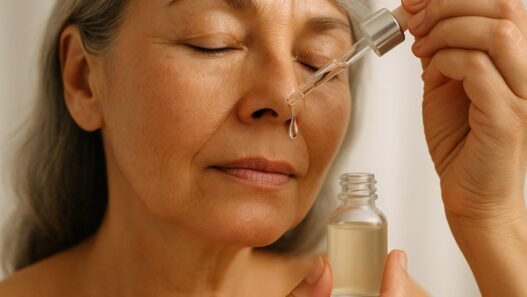
The best serums for aging skin aren’t about turning back the clock — they’re about keeping skin comfortable, hydrated, and smooth. As Allure puts it, the goal is “less about erasing years and more about keeping skin comfortable and smooth.” That shift in mindset is exactly what separates a routine that works from one that just chases marketing promises.
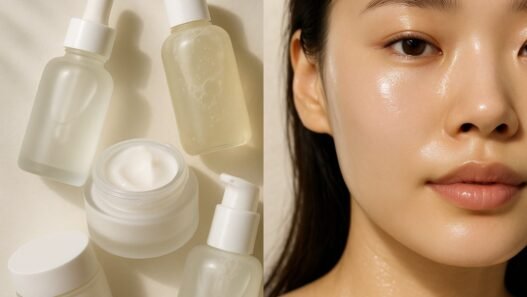
Serums are the most concentrated step in a routine, which makes them the right place to invest in mature skin. Here’s how to choose one based on ingredients that actually hold up — and how to use it without triggering the dryness and irritation that undo the benefit.
What aging skin actually needs
With time, skin produces less oil, retains less water, and slows collagen turnover. The practical result is dryness, fine lines, and a loss of the bounce and glow associated with younger skin. A good serum addresses these directly: replenishing moisture, supporting the barrier, and gently encouraging cell renewal.
The ingredients worth looking for
Retinoids
Retinol and prescription retinoids remain the most researched ingredients for fine lines and texture. They speed cell turnover and support collagen, but they can irritate — so start with a low concentration two to three nights a week and build up. Encapsulated or slow-release formats are gentler for mature, drier skin.
Vitamin C
An antioxidant that brightens dullness, supports collagen, and helps defend against daytime environmental stress. It’s best used in the morning under sunscreen.
Peptides
A lower-irritation route to firmer-looking skin. Peptides suit anyone who can’t tolerate retinoids or wants a supportive layer alongside them.
Niacinamide
A versatile multitasker that strengthens the barrier, calms redness, and helps with tone and texture — and it plays well with almost everything.
Hyaluronic acid and glycerin
Humectants that draw water into the skin for immediate plumping and comfort. These are the foundation of the “comfortable and smooth” result mature skin is after.
| Ingredient | Best for | When to use |
|---|---|---|
| Retinoids | Fine lines, texture | PM, gradually |
| Vitamin C | Dullness, tone | AM |
| Peptides | Firmness (gentle) | AM or PM |
| Niacinamide | Barrier, redness | AM or PM |
| Hyaluronic acid | Dryness, plumping | AM and PM |
How to layer serums without overwhelming skin
The most common mistake is using too many actives at once. Pick one lead treatment per session — vitamin C in the morning, a retinoid or peptide at night — and support it with hydration. Apply thinnest to thickest, and give each layer a moment to absorb.
Setting realistic expectations
Serums work on a timeline of weeks to months, not days. Hydration improvements show quickly, but texture and fine-line benefits from retinoids and peptides take consistent use over eight to twelve weeks. Daily sunscreen is what protects that progress — without it, you’re working against yourself.
Why this matters
The mature-skincare market is crowded with promises, but the fundamentals haven’t changed: a few proven ingredients, applied consistently and gently, deliver the comfort and smoothness that matter most. Choosing serums by ingredient rather than hype is the most reliable way to get there.
Step-by-step routine
- Cleanse gently
Use a non-stripping, hydrating cleanser so your serums absorb into a calm, intact barrier rather than compromised skin. - Apply a hydrating serum
On damp skin, press in a hyaluronic acid or glycerin-based serum to plump and prep. This step buffers stronger actives that follow. - Layer your treatment active
Once skin is dry, apply your targeted serum — vitamin C in the morning, or a retinoid or peptide serum at night. Use one lead active per session. - Seal with moisturiser
Lock everything in with a ceramide-rich moisturiser to support the barrier and prevent the dryness actives can cause. - Finish with SPF (AM)
Daily broad-spectrum sunscreen is non-negotiable — it protects the results your serums are working toward and prevents further visible aging.
Product types worth considering
Glimsera may earn a commission from links in this section, at no extra cost to you.
- Hydrating hyaluronic acid serum — Delivers immediate plumping and comfort for dry, mature skin and creates a buffer layer that makes stronger actives easier to tolerate.
- Encapsulated retinol or retinoid serum — The most evidence-backed ingredient for fine lines and texture; encapsulated formats release gradually to reduce irritation for mature skin.
- Vitamin C antioxidant serum — Brightens dullness and supports collagen while defending against daytime environmental stress — ideal as the morning treatment step.
- Peptide serum — A gentle, low-irritation option for signs of aging, suitable for those who can't tolerate retinoids or want to layer supportively.
The Glimsera Take
Serums are where a mature-skin routine earns its keep — they deliver concentrated actives that creams can't. The best results come from consistency with a few proven ingredients rather than chasing novelty. The main risk is overloading skin with too many actives at once, which causes irritation and undoes the comfort you're after.
Verified Sources
What we checked: Cross-referenced 1 source; confidence rated Medium. Glimsera synthesises multiple sources and does not test products first-hand; product claims reflect the cited reporting.
Last updated July 02, 2026

Written by the Glimsera Team, your go-to source for all things beauty and hair care. Our passionate experts combine years of industry experience with a love for enhancing natural beauty. We’re dedicated to providing you with the latest tips, trends, and product recommendations to help you look and feel your best. Join us on this journey to discover effective hair care routines, beauty secrets, and empowering insights tailored for every individual.