



Quick Summary
Glimsera Score: 8/10 · Confidence: Medium
Best for: Combination, acne-prone, sensitive, eczema- or rosacea-prone skin, and anyone with post-procedure or barrier-disrupted skin.
Not ideal for: Those wanting a heavy-duty active or a moisturising step — it's a soothing antibacterial mist, not a treatment serum.
Key takeaways
- Hypochlorous acid is a natural disinfectant your white blood cells already make to fight pathogens — and it's gentle enough for all skin types.
- Dermatologists use it to prep and soothe skin around procedures like Botox, lasers and peels, citing less irritation than traditional antiseptics.
- It targets acne-causing bacteria and calms inflammation (eczema, rosacea, redness) without stripping or over-drying the skin.
- You'll mostly find it as an easy-to-use facial mist; spray it post-cleanse like a toner, or directly onto breakouts and barrier flare-ups.
- Options range from two-ingredient minimalist formulas to versions boosted with niacinamide, panthenol and tea tree.
A gentle, body-made disinfectant is having a skincare moment — here's how it works, who it suits, and the mists worth knowing.
4 min read · Updated Jun 24, 2026 · Confidence: Medium · 1 verified source
In this article
Hypochlorous acid has quietly graduated from dermatologists’ treatment rooms to mainstream beauty shelves — and for once, the hype is grounded. It’s a naturally occurring disinfectant your own white blood cells produce to fight pathogens, now bottled as a gentle facial mist that calms acne, eczema, redness and post-procedure sensitivity without stripping the skin.
With brands from Tower 28 and Medicube to e.l.f. and Bubble all launching versions, it’s no longer a niche find. Here’s what it actually does, how to use it, and how the leading mists compare.
What is hypochlorous acid?
Think of it as the antibacterial cousin to hyaluronic acid. Where hyaluronic acid is a body-made substance that retains water, hypochlorous acid is a body-made disinfectant — produced by white blood cells to neutralise pathogens and support healing.
In topical skincare, that translates to a multitasking soother. Dermatologist Geeta Yadav, MD, says she uses it in her clinic to prep skin before injecting Botox: “It’s shown to be much less irritating and equally as effective as chlorhexidine [an antiseptic]… Even post procedure, I find it soothing on the skin, while still being cleansing.”
Because it’s a natural derivative rather than an alcohol-based disinfectant, it’s considered safe for all skin types and a range of inflammation-rooted concerns. NYC dermatologist Hamza D. Bhatti, DO, FAAD, calls it “fantastic” for eczema: “When you have a break in the skin barrier from the scratching and itching, your antimicrobial properties are lower, so you’re more prone to infections. This acts like an antibiotic.” And it’s available over the counter.
How do you use it?
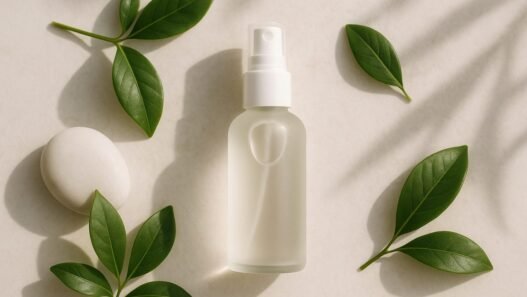
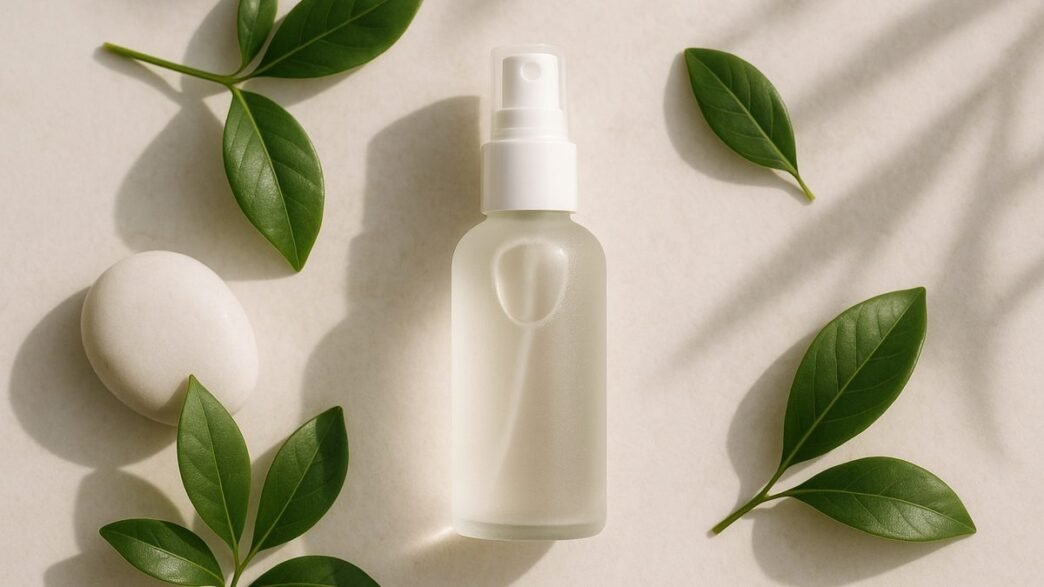
You’ll almost always find hypochlorous acid in mist form, which is convenient and less concentrated than a cream. Use it like a toner — after cleansing, before serum and moisturiser — and on the body too, where fans say it helps prevent post-gym breakouts.
For active acne, Dr. Bhatti suggests spraying it directly on top of breakouts; because there’s no oil-stripping happening, there’s little risk of over-drying. It’s also handy for any barrier disruption: a new piercing, an itchy patch, a nicked cuticle, a stubborn chin pimple. One clever off-label use is dampening a makeup sponge with it so you’re not spreading bacteria as you blend.
How the leading mists compare
Hypochlorous acid is no longer a budding ingredient; the field now spans bare-bones formulas and boosted versions with added soothers. Here’s how editor-favourite options stack up.
| Mist | What sets it apart | Best for |
|---|---|---|
| Tower 28 SOS Daily Rescue | Cult favourite; certified by the National Eczema Association; hundreds of positive reviews | Sensitive, eczema-prone skin |
| Medicube Daily Facial Spray | Boosted with niacinamide, allantoin, panthenol and tea tree | Acne-prone skin wanting extra oil control |
| Mario Badescu Repairing Spray | Just water, sodium chloride and hypochlorous acid; light, fast-drying mist | Minimalists who want a clean formula |
| Bubble Clean Landing | Two-ingredient formula; cooling, great chilled for body breakouts | Sweat-induced body breakouts |
| e.l.f. Save Your E.L.F. | Budget-friendly (around $12/100ml); ultra-fine veil-like mist | Newcomers on a budget |
| Magic Molecule | Thousands of five-star reviews; marketed for cuts, breakouts, eczema and sunburn | All-round household use |
| Twenty/Twenty / OCuSOFT HypoChlor | Ophthalmologist-tested, eye-area safe; OCuSOFT cited as the category market leader | Eczema or rosacea around the eyes and lids |
Pros and cons
Pros
Gentle enough for all skin types, including post-procedure and eczema-prone skin; antibacterial without stripping; versatile across face and body; available over the counter at a range of price points.
Cons
It’s a supporting soother rather than a powerhouse active — it won’t replace your moisturiser, retinoid or vitamin C. And the faint chlorine scent isn’t for everyone.
Value for money
Pricing spans from e.l.f.’s roughly $12 mist to premium dermatologist-recommended options. Because the core ingredient is the same simple molecule, budget formulas deliver the essential benefit; you’re paying more for added actives (like Medicube’s niacinamide and tea tree), larger bottles, or eye-area testing.
Who should buy it
If you have combination, acne-prone, sensitive, eczema- or rosacea-prone skin — or you’ve just had a peel, laser, injection or new piercing — a hypochlorous acid mist is a low-risk, high-utility addition. If you’re after a single transformative active, look elsewhere; this is a calming layer, not a treatment.
Why this matters
Hypochlorous acid fills a genuine gap: an antibacterial step that doesn’t punish the skin barrier the way harsh spot treatments do. As more brands launch accessible mists, expect it to become a routine staple for anyone juggling breakouts and sensitivity at once — particularly in hot, sweaty months.
What people are saying
Aggregated from independent reviews, forums, and reporting — not first-hand testing.
Across editor picks and retailer reviews, hypochlorous acid mists are widely praised as soothing all-rounders that calm redness, breakouts and irritation without the dryness of typical acne treatments. The most-cited names — Tower 28 SOS and Magic Molecule — draw hundreds to thousands of positive reviews for clearing and calming skin. The main quirk reviewers flag is a faint, pool-like chlorine smell that's harmless but noticeable.
- Soothes redness, rashes and irritation fast without stripping the skin
- Versatile use on breakouts, eczema, bug bites, piercings, cuts and post-workout skin
- Gentle enough for sensitive skin — Tower 28 SOS is even certified by the National Eczema Association
- Affordable entry points (e.l.f.'s mist runs about $12 for 100ml)
- A faint chlorine or swimming-pool smell that takes getting used to
- It's a soothing mist, not a heavy treatment — don't expect it to replace serums or moisturiser
Product types worth considering
Glimsera may earn a commission from links in this section, at no extra cost to you.
- Minimalist hypochlorous acid facial mist (water + saltwater + hypochlorous acid) — A two- or three-ingredient formula is the safest bet for very sensitive, eczema-prone or post-procedure skin, with nothing extra to irritate.
- Boosted hypochlorous acid mist with niacinamide and soothers — Formulas with niacinamide, panthenol, allantoin or tea tree add oil control and comfort for acne-prone skin wanting more than a single-ingredient spray.
- Ophthalmologist-tested hypochlorous acid spray — For eczema, rosacea or irritation around the eyes and lids, an eye-safe, ophthalmologist-tested formula is the responsible pick.
- Budget hypochlorous acid mist — An affordable, ultra-fine mist lets newcomers trial the ingredient before committing to a pricier bottle.
The Glimsera Take
Hypochlorous acid earns its hype: it's a rare ingredient that's both antibacterial and genuinely gentle, which is why dermatologists reach for it pre- and post-procedure. It's worth a spot in your routine if you battle breakouts, irritation or eczema and dread stripping spot treatments. The main caveat — it's a supporting player, not a do-everything fix, and the faint chlorine smell takes adjusting to.
Verified Sources
What we checked: Cross-referenced 1 source; confidence rated Medium. Glimsera synthesises multiple sources and does not test products first-hand; product claims reflect the cited reporting.
Last updated June 24, 2026

Written by the Glimsera Team, your go-to source for all things beauty and hair care. Our passionate experts combine years of industry experience with a love for enhancing natural beauty. We’re dedicated to providing you with the latest tips, trends, and product recommendations to help you look and feel your best. Join us on this journey to discover effective hair care routines, beauty secrets, and empowering insights tailored for every individual.


