





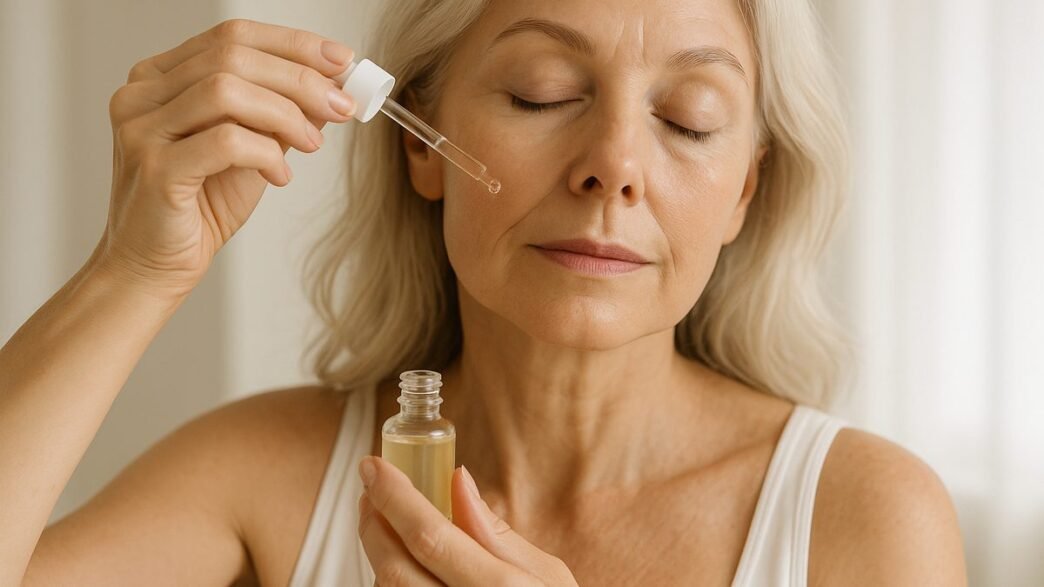
Quick Summary
Glimsera Score: 8/10 · Confidence: Low
Best for: Anyone over 40 experiencing changes in skin firmness, texture, hydration, or evenness who wants a science-backed approach.
Not ideal for: Those under 35 without age-related skin concerns, or anyone seeking prescription-grade treatment plans (a dermatologist is the right starting point).
Key takeaways
- Retinoids remain the most evidence-supported topical actives for mature skin — introduce them slowly to avoid irritation.
- Ceramide-rich moisturisers and hyaluronic acid address the hydration and barrier changes that accelerate after 40.
- Broad-spectrum SPF daily is among the single highest-impact steps for preventing further photoageing.
- Peptides offer a gentler route to firmness support and suit reactive or sensitive mature skin.
- Heavy or overly complex routines often backfire — mature skin benefits most from well-chosen, compatible actives, not more of them.
From retinoids to ceramides, a science-grounded breakdown of the ingredients, routines, and product types that genuinely deliver for skin over 40 — plus what to skip.
5 min read · Updated Jun 23, 2026 · Confidence: Low · 1 verified source
In this article
Mature skin has specific, well-understood needs — and for anyone in their 40s, 50s, or 60s, the gap between marketing language and ingredient science has never been more important to close. The good news: a small number of well-researched actives, applied consistently, do the heavy lifting.
What Changes in Skin After 40
Starting around the age of 40, several biological shifts accelerate simultaneously. Collagen and elastin production decline, reducing skin firmness and resilience. Cell turnover slows, causing dead skin cells to linger on the surface and contributing to dullness and uneven texture. Sebaceous glands produce less oil, increasing transepidermal water loss and pushing previously balanced skin types toward dryness.
Hormonal fluctuations — particularly during perimenopause and menopause — further alter hydration levels, barrier function, and sensitivity. A routine that worked throughout your 30s may stop delivering visible results in your 40s, not because the products are bad, but because the skin’s requirements have fundamentally shifted.
The Ingredients Worth Your Investment
Dermatologists and cosmetic chemists consistently return to the same core actives when discussing what the evidence genuinely supports for mature skin. The list is shorter than the beauty aisle suggests.
Retinoids
Retinoids — vitamin A derivatives including retinol, retinaldehyde, and prescription tretinoin — remain the most clinically researched topical actives available for mature skin. They accelerate cell turnover, stimulate collagen synthesis, and measurably improve skin texture over consistent use. Over-the-counter retinol is effective in concentrations of 0.25%–1%; those with sensitive skin often find retinaldehyde or encapsulated retinol formats easier to tolerate.
Peptides
Peptides are short amino acid chains that signal the skin to produce more collagen, elastin, and hyaluronic acid. They work more gently and gradually than retinoids and carry no photosensitivity risk, making them well suited to mornings or to those who cannot tolerate vitamin A derivatives. Peptide serums and moisturisers are generally safe to use morning and evening.
Hyaluronic Acid and Ceramides
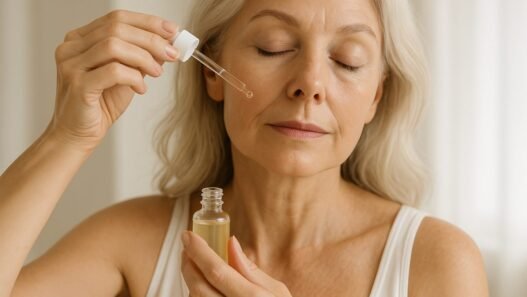
Hydration and barrier repair become central concerns as skin ages. Hyaluronic acid — a humectant — draws moisture toward the skin and works best applied to slightly damp skin, then sealed with an emollient or occlusive. Ceramides are lipid molecules that form part of the skin’s natural barrier; replenishing them reduces water loss and improves resilience against environmental stressors. Many dermatologists consider a ceramide-rich moisturiser non-negotiable for skin over 40.
Vitamin C
Stabilised vitamin C (L-ascorbic acid, ascorbyl glucoside, or sodium ascorbyl phosphate) offers antioxidant protection, brightening benefits, and collagen-synthesis support. It is best used in the morning, layered beneath SPF, where it helps neutralise free radicals from UV exposure and environmental pollution.
SPF: The Single Biggest Impact Step
No mature skin routine is complete without broad-spectrum SPF 30–50 applied every morning. Photoageing — cumulative UV-induced skin damage — is the primary external driver of wrinkles, dark spots, and loss of firmness. Daily SPF is among the most evidence-supported interventions available for slowing visible skin ageing, yet it remains chronically underused.
Ingredient Comparison at a Glance
| Ingredient | Primary Benefit | When to Use | Sensitivity Level |
|---|---|---|---|
| Retinol / Retinoids | Cell turnover, collagen stimulation | PM only | High — start slowly |
| Peptides | Firmness, collagen signalling | AM & PM | Low — well tolerated |
| Hyaluronic Acid | Hydration, surface plumping | AM & PM | Very low |
| Ceramides | Barrier repair, water retention | AM & PM | Very low |
| Vitamin C (stabilised) | Antioxidant protection, brightening | AM (under SPF) | Low–medium |
| Broad-spectrum SPF 30–50 | Photoageing prevention | AM (final step) | Very low |
Common Mistakes to Avoid
Mature skin does not need more products — it needs better-chosen ones. Overloading a routine with multiple actives simultaneously is one of the most frequently flagged errors in dermatological guidance. Layering retinoids with AHAs or BHAs, for example, can push sensitive mature skin into chronic irritation and actively compromise barrier integrity.
Rich, occlusive creams marketed as luxurious anti-ageing treatments are not universally appropriate either. Some mature skin types — particularly those that still trend oily in the T-zone — respond better to lightweight, barrier-supporting formulas than to thick creams that sit on the surface.
The Makeup Angle
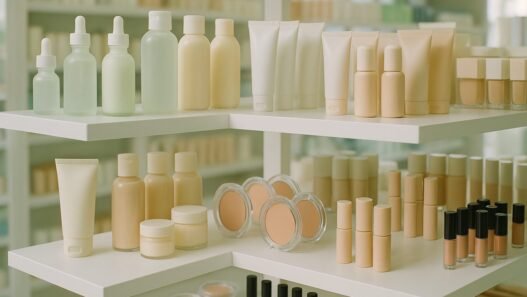
Skincare alone does not complete the mature beauty picture. Many foundation formulas designed for younger skin settle into fine lines and emphasise surface texture. Serum foundations, skin-tint hybrids, and luminous-finish formulas generally perform better on mature skin by moving with facial expression rather than sitting rigid on top. Setting powders, where used, should be limited to the T-zone — blanket powder application can emphasise dryness and fine lines on the rest of the face.
What’s Next for Mature Beauty
The science of skin ageing continues to advance rapidly. Longevity-focused ingredients — including NAD+ precursors, senolytic compounds, and next-generation peptide complexes — are moving from medical research into mainstream prestige skincare. Simultaneously, consumer demand for age-positive, inclusive beauty content is reshaping how brands communicate across the category. For anyone over 40, this means a greater range of genuinely targeted, efficacious options than at any previous point — and a better-equipped audience to separate evidence from noise.
Step-by-step routine
- Gentle Cleanse
Use a cream, milk, or non-foaming gel cleanser that removes makeup and impurities without stripping natural oils. Mature skin is more prone to dryness and barrier disruption, so harsh sulphate-based cleansers are best avoided at this stage. - Hydrating Toner or Essence
Apply a hydrating, alcohol-free toner or essence to damp skin. Look for formulas containing glycerin, panthenol, or beta-glucan that prime the skin to absorb subsequent actives more effectively. - Antioxidant or Treatment Serum
In the morning, apply a stabilised vitamin C serum to protect against free-radical damage from UV and pollution. In the evening, this is the ideal slot for a retinoid — starting with two to three nights per week and building gradually. - Targeted Treatment Serum
Layer a peptide or hyaluronic acid serum after your primary active. Apply hyaluronic acid to skin that is still slightly damp to help draw moisture into the skin rather than pulling from it. - Ceramide Moisturiser
Seal all previous layers with a ceramide-rich moisturiser. This restores the lipid barrier, locks in hydration, and reduces transepidermal water loss — a key concern for mature skin. In the evening this is your final step. - Broad-Spectrum SPF 50 (Morning Only)
As the last morning step, apply a broad-spectrum SPF 30–50. This is non-negotiable for mature skin: photoageing from cumulative UV exposure is the primary external driver of visible skin ageing, and daily SPF is the most evidence-supported preventive measure available.
Product types worth considering
Glimsera may earn a commission from links in this section, at no extra cost to you.
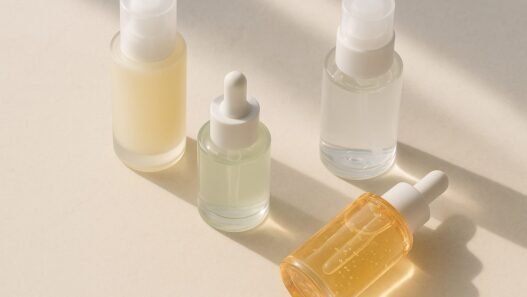
- Encapsulated retinol serum (0.3%–0.5%) — Encapsulated delivery reduces irritation risk versus straight retinol, making it better tolerated for those new to vitamin A or with sensitive mature skin. Aim for 0.3%–0.5% as a starting concentration.
- Ceramide-rich barrier moisturiser — Ceramides directly replenish the skin's lipid barrier, which depletes with age, reducing water loss and protecting against environmental stressors. A non-negotiable for daily morning and evening use.
- Stabilised vitamin C serum — L-ascorbic acid or a stabilised derivative (such as ascorbyl glucoside) provides antioxidant defence, brightens uneven tone, and supports collagen synthesis when used in the morning under SPF.
- Broad-spectrum SPF 50 serum-sunscreen — Lightweight serum-sunscreen hybrids sit comfortably under makeup and eliminate the excuse to skip daily sun protection. Mineral or hybrid formulas tend to suit reactive mature skin well.
The Glimsera Take
Mature skin care has evolved from vague 'anti-ageing' promises to a genuinely ingredient-led category, driven by a more knowledgeable consumer in their 40s, 50s, and 60s. The core actives — retinoids, ceramides, peptides, vitamin C, and SPF — are supported by decades of dermatological research and represent the most reliable foundation for any mature skin routine. The main risk is over-complicating things: stacking too many actives at once is one of the most common reasons mature skin becomes reactive. Focus on a well-sequenced core routine before adding anything specialised.
Verified Sources
What we checked: Cross-referenced 1 source; confidence rated Low. Glimsera synthesises multiple sources and does not test products first-hand; product claims reflect the cited reporting.
Last updated June 23, 2026

Written by the Glimsera Team, your go-to source for all things beauty and hair care. Our passionate experts combine years of industry experience with a love for enhancing natural beauty. We’re dedicated to providing you with the latest tips, trends, and product recommendations to help you look and feel your best. Join us on this journey to discover effective hair care routines, beauty secrets, and empowering insights tailored for every individual.


