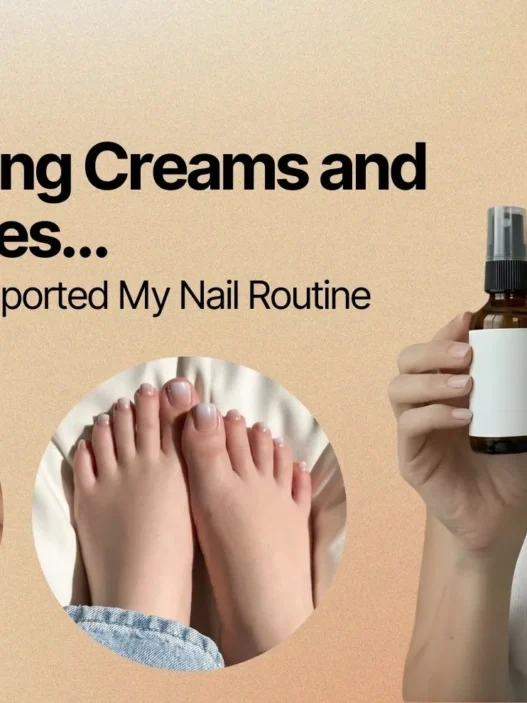










Toenail fungus is one of those problems people rarely talk about, yet millions deal with it every year. It starts quietly with a small yellow spot, then suddenly the nail becomes thick, brittle, hard to trim, and embarrassing to show. For many, the biggest frustration is simple: it keeps coming back. Even after using creams, oils, or filing down the nail, the problem refuses to go away permanently.
And the truth is that surface treatment alone is rarely enough.

Most people only treat what they can see: the outer layer of the nail. But toenail fungus often hides deeper, especially under the nail bed, where creams and ointments struggle to reach. That is why the results fade quickly. One week the nail looks a bit better, and the next week it looks worse again.
This article explains why this happens and what additional steps people use to improve nail clarity, smell, and appearance over time.
1. The Real Reason Fungus Is Hard to Remove
Toenail fungus grows in warm, moist places. Shoes, socks, and closed footwear create the perfect environment. The fungus doesn’t just live on top of the nail. It hides underneath, inside small cracks, and sometimes even in shoes themselves.
That is why simply applying something to the nail’s surface doesn’t always give long-lasting results. The top layer improves, but the fungus beneath continues to thrive.

Many people also ask why their toenails smell bad. The answer is simple: when fungus mixes with moisture and dead skin, it produces odor. If someone notices sudden shoe odor or a strange smell coming from their toes, it is often the first sign something deeper is going on.
2. Improving the Environment Around the Nail
Even if you use a treatment, the environment around the nail must change too. Fungus loves dark, humid, enclosed places, and shoes are the number one hiding spot. That’s why people also look up how to kill fungus in shoes.
Common methods include:
• Washing and fully air-drying shoes
• Using ultraviolet shoe sanitizers
• Placing shoes in direct sunlight when possible
• Using antifungal sprays inside closed footwear
• Rotating pairs of shoes to avoid moisture buildup
These steps help keep the fungus from returning to the nail after you’ve treated it on the surface.
3. Can Sunlight Help With Toenail Fungus
Many wonder if sunlight can kill toenail fungus. While direct sunlight can reduce moisture and slow down fungal growth on surfaces, it’s not enough on its own to remove fungus inside the nail. However, sunlight does help shoes dry faster, and UV rays can reduce odor-causing microbes. So while the sun won’t cure the deeper infection, it can support the environment around your feet.
4. Natural Remedies People Explore
One popular search is castor oil for toenail fungus. Castor oil is known for its fatty acids and moisturizing properties. It may soften thick nails and keep the area hydrated. Some people mix it with tea tree oil or apply it after a warm foot soak. While it won’t reach deep fungus, it can help with nail texture and dryness.

Another common topic is finding the best nail polish for fungus. Traditional nail polish can trap moisture and worsen the infection. But there are breathable nail polishes designed for people with nail issues. They allow airflow and contain antifungal ingredients. These are often used to hide discoloration while still caring for the nail.
5. Why Nail Appearance Matters Emotionally
Toenail fungus is not only a medical issue. It affects confidence. People avoid beaches, swimming pools, open-toe shoes, pedicures, and even small moments like visiting someone’s home where shoes are removed. The fear of someone noticing thick or discolored nails can be more stressful than the fungus itself.
Scenario #2 is exactly this: someone who wants their nails to look better as fast as possible because they’re tired of feeling embarrassed. They’ve tried creams, home remedies, dieting, filing, soaking, and nothing seems to last.
That’s when they start looking for something that improves appearance quickly while also supporting long-term nail strength and moisture. Hydration, cuticle support, keratin health, and overall nail integrity play a huge role in how fast the nail visually improves.
6. Combining Care Instead of Relying on One Thing
Most people only rely on one approach. But real improvement often comes from combining methods:
• Improving shoe hygiene
• Keeping feet dry
• Using breathable socks
• Supporting nail hydration
• Avoiding harsh chemicals
• Not sharing nail tools
• Trimming nails correctly
• Giving nails sunlight exposure
• Using gentle oils or topical solutions regularly
When all of these steps work together, nails often improve faster, smell reduces, and the chances of fungus returning become much lower.
7. When Should Someone Explore More Advanced Support
If someone has tried:
• over-the-counter creams
• castor oil
• tea tree oil
• vinegar soaks
• foot powders
• antifungal sprays
• filing and trimming
• shoe cleaning
and still sees the fungus returning or spreading, that is usually the sign that the nail needs deeper support. More people are turning toward routines that focus on overall nail wellness instead of just surface fungus removal.
This includes hydration, cuticle nourishment, better circulation to the toes, keratin support, and antioxidants that help maintain healthy-looking nails over time.
Final Thought
Toenail fungus is stubborn, and dealing with it requires more than a quick fix. It’s not just about killing fungus. It’s about changing the environment that allows it to grow, caring for the nail from the inside out, and giving your feet the attention they’ve needed for years.

Written by the Glimsera Team, your go-to source for all things beauty and hair care. Our passionate experts combine years of industry experience with a love for enhancing natural beauty. We’re dedicated to providing you with the latest tips, trends, and product recommendations to help you look and feel your best. Join us on this journey to discover effective hair care routines, beauty secrets, and empowering insights tailored for every individual.