






The short answer
- Underarm darkening is post-inflammatory hyperpigmentation, not dirt or staining. Scrubbing adds friction and makes it worse.
- The trigger is usually repeated shaving, friction or an irritating deodorant, so removing the trigger matters more than any cream.
- Azelaic acid and niacinamide have the strongest evidence for this area, and both are gentle enough for thin fold skin.
- Expect 8 to 12 weeks before a pigment-targeting active shows real change.
- Velvety, thickened darkening that also affects the neck is a medical sign, not a cosmetic one. See a doctor.
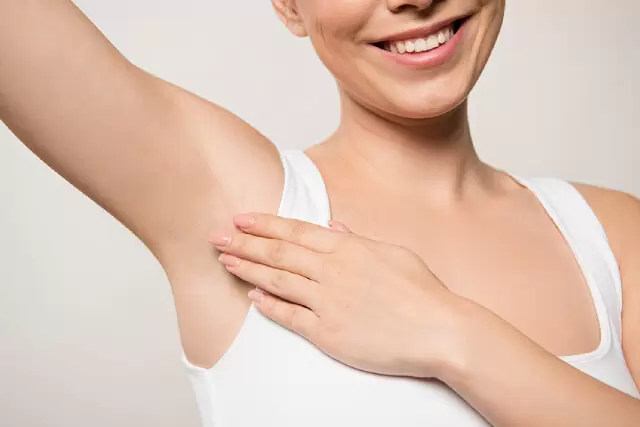
Almost everything sold for this problem is sold on the wrong premise. Underarm pigmentation is not staining, and it is not a hygiene failure. It is post-inflammatory hyperpigmentation, the skin responding to repeated friction, irritation and trauma by producing more melanin in the area being irritated.
That single fact changes what works. A product that scrubs will make it worse. A product that calms inflammation while slowing pigment production will not.
What is actually causing it
Four mechanisms, in rough order of how often they are the real culprit.
- Shaving. Dry shaving and a dull blade are the commonest trigger. Each pass is micro-trauma, and the pigment response is the skin healing.
- Deodorant and antiperspirant. Fragrance and alcohol in a warm, occluded fold. Applying straight after shaving compounds it.
- Friction. Tight sleeves, synthetic fabric, heat and humidity. In Gulf summers this runs year-round.
- Acanthosis nigricans. Thickened, velvety darkening rather than flat discolouration, often linked to insulin resistance. No topical on this list resolves it.
Before you buy anything
Stop dry shaving, replace the blade more often, and move deodorant to clean dry skin at night rather than straight after shaving. These three changes address the friction and irritation driving the pigmentation, before any active product enters the picture.
“Frequent shaving, aggressive hair removal, friction from tight clothing” can all trigger the inflammation behind the pigment.
Which is why the order matters: remove the trigger, then treat what it left behind.
What is actually driving your darkening?
Pick the line that sounds most like you. The cause decides the product, not the other way round.
It got darker after I started shaving regularly
This is post-inflammatory hyperpigmentation from razor trauma.
The razor is relighting the fire every two days, so a cream alone is always playing catch-up. Change the hair removal first: stretch the interval, or switch method entirely. Then treat the existing pigment with azelaic acid two to three nights a week.
If you shave daily, the epilator switch will outperform every topical on this page.
It is velvety and thickened, and my neck is darker too
This pattern is a medical sign, not a cosmetic one.
Velvety thickening across several folds at once is the classic presentation of acanthosis nigricans, which is linked to insulin resistance. No brightening product treats it, because the pigment is a symptom.
See a doctor before you spend anything. What to ask for.
It appeared after I switched deodorant or antiperspirant
This is contact irritation, and it is the easiest one to reverse.
Stop the product for two weeks and see whether the area settles. Fragrance and alcohol are the usual culprits. Once the irritation has gone, niacinamide will clear the leftover pigment without restarting the reaction.
It is worse exactly where my clothes rub
Friction pigmentation, made worse by heat.
In Gulf summers, a tight synthetic sleeve plus sweat is a daily abrasive. Looser cotton through summer does more than most people expect. Pair that with a formula made for folds rather than a face product.
It has been there as long as I can remember
Long-standing, deeply set pigment needs the strongest stack here.
Constitutional darkening on melanin-rich skin responds slowly and needs several mechanisms at once. A multi-active formula is the realistic option, introduced gradually.
Set expectations at months rather than weeks, and protect the result by removing the friction that maintains it.
General information, not a diagnosis. If the change was sudden or one-sided, see a doctor.
The seven
Shortlisted on formulation rather than marketing: evidence behind the actives, tolerance on thin shaved skin, wearability in heat, and cost per month at the frequency the product actually needs.
Bioderma Pigmentbio Sensitive Areas
Best for sensitive skinThe only mass-market product on this list formulated specifically for folds and intimate areas rather than adapted from a face product. It pairs niacinamide with glycolic acid and licorice root extract, a sensible combination that addresses pigment transfer, cell turnover and inflammation at once, at concentrations gentle enough for underarm skin. It is formulated to be tolerated immediately after shaving without complaint, which matters more than any single active.
What works
- Formulated for folds, not borrowed from a face range
- Non-sticky; did not mark clothing in heat
- Widely stocked in the UAE and frequently discounted
What to weigh
- Price swings wildly by retailer, from AED 84 to AED 179 for the same 75ml
- Glycolic content means no same-day use with another acid
- 75ml does not last long if you treat both underarms twice daily
The Ordinary Azelaic Acid Suspension 10%
Best evidence for the priceAzelaic acid is the ingredient with the strongest and most consistent evidence base for post-inflammatory hyperpigmentation, and it is unusually well suited to fold skin because it is anti-inflammatory as well as anti-pigment. Reviews report clinically meaningful improvement at 15 to 20% with only mild, transient irritation; at 10% this is the beginner-friendly version. It is also the cheapest genuinely effective option here.
What works
- Best evidence-to-price ratio on the list
- Anti-inflammatory as well as pigment-inhibiting
- Generally considered acceptable in pregnancy, confirm with your obstetrician
- Works on body and face, so nothing is wasted
What to weigh
- Silicone-heavy texture can feel gritty under arms
- Can pill under certain deodorants, space them apart
- 10% is a starting dose; stubborn cases may need a prescription strength
The Inkey List Niacinamide Serum
Gentlest daily optionNiacinamide works differently from the acids: rather than inhibiting pigment production, it blocks the transfer of pigment into skin cells, and it strengthens the barrier at the same time. One comparison study found 4% niacinamide outperformed topical retinoic acid on pigmentation, and it has specifically been reported effective in axillary (underarm) hyperpigmentation. If everything else stings, start here.
What works
- The best-tolerated active on this list
- Can be used daily, including after shaving
- Barrier support reduces future irritation-driven pigment
- Layers happily with azelaic acid on alternate nights
What to weigh
- Slowest visible results, expect 8 to 12 weeks, not 4
- Works best as part of a routine rather than alone
- Watery texture means it runs if you over-apply
Topicals Faded Serum
Most complete formulaBuilt from the start for hyperpigmentation on melanin-rich skin, and the formulation reflects it: azelaic acid, niacinamide, tranexamic acid and kojic acid in one bottle, which is essentially the entire evidence-backed shortlist stacked together. It is the most comprehensive formula on this list for stubborn, long-standing darkening on melanin-rich skin. The trade-off is cost and a formula strong enough to need a slow introduction.
What works
- Four evidence-backed actives in a single step
- Developed specifically for body folds, not just faces
- A little goes a long way; 50ml lasts
What to weigh
- Roughly four times the price of the azelaic acid option
- Distinctive sulfur-adjacent smell that not everyone tolerates
- Too much for sensitive skin to start on, build up to it
- Patchy UAE availability; often needs ordering in
The Ordinary Lactic Acid 5% + HA
Best for surface build-upSome of what reads as pigmentation is build-up, dead skin and deodorant residue sitting on the surface. A mild AHA clears that and speeds the turnover of already-pigmented cells. We specify lactic rather than glycolic deliberately: the larger molecule penetrates more slowly, which is exactly what you want on skin this thin. The 30% peeling solutions widely recommended for underarms are, in our view, too aggressive for the area.
What works
- Visible surface brightening within two to three weeks
- Gentler than glycolic at the same strength
- Hyaluronic acid offsets the drying effect
- Also reduces deodorant build-up and odour
What to weigh
- Exfoliation alone will not fix deep pigment, pair it with an active
- Stings badly on freshly shaved skin
- Easy to overuse; twice a week is enough
Be Bodywise 4% AHA BHA Underarm Roll-On
Easiest to keep usingThe format is the point. A roll-on applicator designed for underarms means no decanting, no mess, no over-application, and it travels, which makes it the easiest of these to actually keep using. The AHA-BHA blend handles build-up and odour together. The actives are less impressive than the azelaic or multi-active options, but a product you actually use nightly beats a better one you abandon.
What works
- The format makes it easy to keep using
- Dose control is automatic; no over-application
- Noticeable odour reduction as a side benefit
- Genuinely travel-friendly
What to weigh
- Weaker actives than the azelaic or multi-active picks
- Roller head needs cleaning or it harbours residue
- Mostly ordered in from India; UAE stock is inconsistent
Braun Silk-épil 9 Epilator
Addresses the causeThe least glamorous recommendation here and arguably the most important. If daily shaving is what is driving your pigmentation, every cream is fighting a fire you keep relighting. Switching to epilation drops hair removal from every two days to roughly every three weeks, which removes the inflammatory trigger almost entirely. Removing the daily trauma addresses the cause rather than the symptom, which no topical on this list can do.
What works
- Addresses the cause rather than the symptom
- Three-week regrowth window instead of two days
- One purchase, no ongoing cost
What to weigh
- Uncomfortable for the first few sessions, genuinely
- High upfront cost versus a razor
- Can cause ingrown hairs if you skip exfoliation
- Not suitable if you are prone to folliculitis, ask a dermatologist
“The theory is that POC melanocytes are more sensitive” to any kind of injury.
This is the reason a product that merely brightens is the wrong tool for melanin-rich skin. If the active does not also calm inflammation, the pigment keeps being replaced as fast as it fades.
The actives, and what the evidence supports
Seven ingredients appear across these products. They are not interchangeable, and two of them should not be used on the same night.
Azelaic acidStrong evidence
A dicarboxylic acid that inhibits tyrosinase (the enzyme that makes pigment) while also being anti-inflammatory and antimicrobial. That combination is unusually well suited to underarm skin, where irritation is the root cause. Reviews report clinically meaningful improvement in post-inflammatory hyperpigmentation at 15 to 20%, with mild and temporary irritation.
NiacinamideStrong evidence
Vitamin B3. Rather than blocking pigment production, it blocks pigment transfer into skin cells, and it supports ceramide synthesis so the barrier recovers. One study found 4% niacinamide outperformed topical retinoic acid on pigmentation, and it has been specifically reported effective in axillary hyperpigmentation. The best-tolerated option available.
Tranexamic acidPromising, growing evidence
An antifibrinolytic agent with anti-inflammatory and anti-melanogenic effects. It interrupts the plasmin pathway that drives melanocyte activity. A 2026 literature review described it as a promising and well-tolerated option for hyperpigmentation disorders, though most trials are in melasma and post-inflammatory hyperpigmentation on the face rather than folds.
Alpha arbutinModerate evidence
A gentler tyrosinase inhibitor derived from bearberry, often used as a milder stand-in for hydroquinone. Results are slower and subtler but tolerance is good, which makes it a reasonable choice if azelaic acid stings. Works best stacked with niacinamide rather than used alone.
Kojic acidModerate evidence
A fungal-derived tyrosinase inhibitor, long used in pigmentation treatment. Effective but with a higher irritation and sensitisation rate than azelaic acid or niacinamide, so it is usually better as one component of a formula than as a solo active on thin fold skin.
AHAs (glycolic, lactic)Moderate evidence
Alpha hydroxy acids accelerate turnover, clearing already-pigmented surface cells and the deodorant build-up that reads as darkening. Lactic acid is the better choice for underarms: the larger molecule penetrates more slowly than glycolic, which is what you want on thin, occluded, regularly shaved skin.
Vitamin CModerate evidence
An antioxidant and tyrosinase inhibitor that works best alongside other actives rather than alone. The practical problem in the Gulf is stability: L-ascorbic acid oxidises faster in heat, so a derivative such as ascorbyl glucoside is often the more sensible choice here.
A starter week that does not wreck your skin
The commonest mistake is using every active at once. This schedule alternates them and keeps shaving away from acids.
| Mon | Tue | Wed | Thu | Fri | Sat | Sun | |
|---|---|---|---|---|---|---|---|
| Morning | Niacinamide | Niacinamide | Niacinamide | Niacinamide | Niacinamide | Niacinamide | Niacinamide |
| Night | Azelaic | Rest | Lactic acid | Azelaic | Rest | Lactic acid | Barrier only |
| Hair removal | Rest | Shave | Rest | Rest | Shave | Rest | Rest |
Two rules that matter more than the schedule
Never apply an acid to freshly shaved skin. Wait a full day. And never run lactic acid and azelaic acid on the same night; alternate them.
Where to begin
Open the row that matches your skin.
My skin stings easily
Start with The Inkey List Niacinamide daily for four weeks, it is the best-tolerated active here. Add Bioderma Pigmentbio Sensitive Areas if you want something you can apply straight after shaving. Hold off on acids entirely for now.
If shaving is the trigger, the epilator switch will do more than any cream.
My skin is usually fine
Run The Ordinary Azelaic Acid 10% two to three nights a week with niacinamide on the off nights. Add lactic acid twice weekly once you know you tolerate it.
If deodorant is the trigger, switch to a fragrance-free antiperspirant applied at night to clean, dry skin.
Nothing bothers my skin, and this is years old
Go to Topicals Faded Serum every other night, building to nightly, with lactic acid twice weekly on non-shaving days. It stacks four evidence-backed actives in one step.
For years-old darkening, budget three to six months rather than twelve weeks.
The skin is thickened and velvety, not just dark
See a doctor before buying anything. Thickened, velvety darkening is the pattern of acanthosis nigricans, which is often linked to insulin resistance. No topical on this list will resolve it, and a blood sugar check is the useful next step.
When it is not a skincare problem
Three patterns mean a clinician rather than a serum: skin that is thickened and velvety rather than flat; darkening that appeared suddenly without a change in shaving or deodorant; and darkening accompanied by skin tags, weight change or fatigue.
Acanthosis nigricans is a sign, not a cosmetic condition. Treating the underlying insulin resistance is what clears it.
“One common cause is an early sign of insulin resistance” rather than anything cosmetic.
That is the case worth ruling out before you spend on products, particularly if the darkening is velvety, thickened, and present on the neck or groin as well.
Questions
How long does it take to see a difference?
Surface brightening from an AHA shows in two to three weeks. Genuine pigment change from azelaic acid or niacinamide takes eight to twelve weeks. Long-standing darkening takes three to six months. Anything promising faster is either too harsh for fold skin or not working.
Can I use these while pregnant?
Azelaic acid and niacinamide are generally considered acceptable; tranexamic and kojic acid are usually avoided. Confirm with your obstetrician rather than relying on a product label.
Will switching deodorant fix it on its own?
Sometimes, if fragrance or alcohol is the irritant. Move to a fragrance-free antiperspirant applied at night to clean, dry skin. If the darkening is established, you still need an active to clear existing pigment.
Is lemon, baking soda or toothpaste worth trying?
No. Lemon juice is photosensitising and can cause a burn that darkens the area further. Baking soda disrupts the skin barrier at a pH the fold cannot tolerate. Both make post-inflammatory pigmentation worse.
Does laser hair removal help?
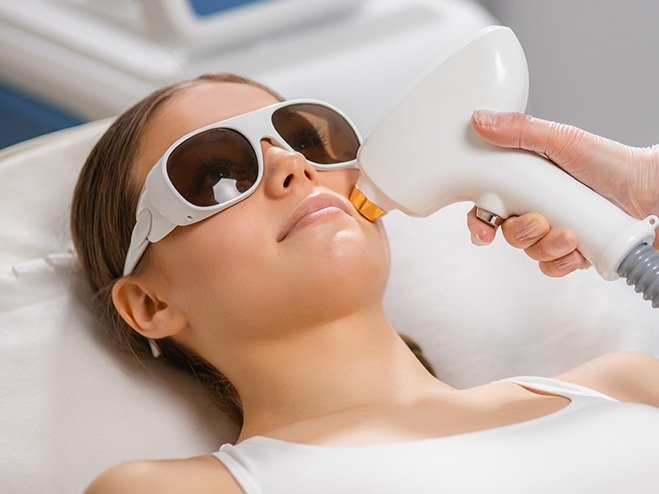
Often substantially, because it removes the mechanical trigger. It does not treat existing pigment, so pair it with a topical. On melanin-rich skin, insist on a Nd:YAG laser and a practitioner experienced with Fitzpatrick IV to VI.
Should I exfoliate more?
Almost certainly not. Scrubbing is friction, and friction is the cause. A mild chemical exfoliant twice a week is the ceiling, never on freshly shaved skin.
Beauty written for the climate you actually live in
Prices in AED and SAR. Formulas judged on 45°C, hard water and melanin-rich skin.
Sources
- Axillary Hyperpigmentation Treatment: A Systematic Review of the Literature. Journal of Cosmetic Dermatology, 2025. doi:10.1111/jocd.70418
- Hopkins J, Callender V, Allenby J. The Best Solutions for Fading Dark Underarms. NewBeauty
- Kazlouskaya V, Emer J. Dark underarms: what is causing them and how to fix it. NBC News Select
- Boakye N, Jobarteh-Williams R. Causes of underarm hyperpigmentation. mindbodygreen
- King H, Shaurya K, Li D. Why armpits look dark after shaving. HuffPost
Every product here was selected independently by our editors on the basis of published formulation and the dermatological evidence for its actives. Prices are indicative and were last checked on 19 November 2026; only the Bioderma range is verified against live UAE retailers. We may earn a commission on purchases made through links on this page; commission never buys a place on this list. This article is general information, not medical advice. See a doctor for a diagnosis.

Written by the Glimsera Team, your go-to source for all things beauty and hair care. Our passionate experts combine years of industry experience with a love for enhancing natural beauty. We’re dedicated to providing you with the latest tips, trends, and product recommendations to help you look and feel your best. Join us on this journey to discover effective hair care routines, beauty secrets, and empowering insights tailored for every individual.